
India's IPL-to-Test switch leaves players short on recovery time ahead of Sri Lanka Tests
The Indian team management publicly acknowledged on 4 August 2026 that the rapid switch from the IPL to red-ball cricket has left several contracted cricketers without the recovery window their trainers asked for. Seven or eight players are currently injured ahead of a two-Test series against Sri Lanka that the team needs to win to keep its World Test Championship final hopes alive.
A recovery window that closed before the calendar did
The complaint inside the Indian dressing room is not new, but it was made public on 4 August 2026. With the two-Test series against Sri Lanka about to start and the World Test Championship final qualification still mathematically in play, the team management has admitted that several contracted cricketers did not get the recovery time between the IPL and the subsequent bilateral series that their trainers had flagged.
A report republished by News18 on Tuesday evening, originally filed by The Indian Express, puts the number of currently injured Indian cricketers at seven or eight. Among them are pace spearhead Jasprit Bumrah and all-rounder Washington Sundar, both of whom the management was forced to recall earlier in the year to be available for the T20 World Cup. Bumrah was named in the Sri Lanka squad with an asterisk marking his fitness status, then ruled out on Monday. Sundar's case followed a similar path.
The timing is tight and the calendar is not sympathetic. The IPL final ran deep into May, the T20 World Cup ran through June, and the Sri Lanka Tests start almost as soon as India reassemble. In a normal cycle, the days between franchise cricket and international cricket would be filled with format-specific conditioning work — longer bowling spells, red-ball batting volume, longer recovery blocks between sessions. According to a source quoted by The Indian Express, those blocks have been shorter than the trainers wanted, and that is the gap the management is now acknowledging in public rather than on the record.
The wider IPL news desk at sports ipl has tracked the recovery question for two seasons. The injury ledger after the IPL is rarely clean; the unusual part this year is that the people raising the alarm are inside the team management rather than the IPL franchises.
The recovery gap the trainers flagged
Match fitness cleared, deeper improvement skipped
The source quoted by The Indian Express drew a sharp line between two things the public usually conflates. Passing a basic match-fitness clearance is one thing; clearing the deeper Return-to-Play parameters that strength and conditioning staff set for red-ball cricket is another. The source said that when a player is named in a squad, the immediate priority becomes getting that player through the medical green light, and that broader recovery work — the kind that targets endurance, red-ball bowling loads, batting volume against the moving ball — can be rushed or quietly dropped.
That distinction matters because Test cricket makes different physical demands on almost every role. A pacer who has just completed an IPL season has bowled four overs at most per innings, often on flat decks, with planned rest windows. A Test spell is six or seven overs in a day, repeated across five days, on day-four and day-five surfaces that can deteriorate sharply. The training load required to bridge that gap is not a single gym session; it is two to three weeks of format-specific work that the IPL calendar does not leave room for.
Seven or eight currently injured, more than half workload cases
The headline number is seven or eight injured cricketers inside the Indian squad ahead of the Sri Lanka series. Not all of those injuries are workload-driven, but a majority are the kind that the management's own trainers had flagged before the IPL ended. The Indian Express report says contracted cricketers did not get adequate recovery time, and that the gap limited their ability to work on the trainer-flagged areas before the international window opened.
The list is not a clean diagnostic. It mixes fast bowlers coming off heavy IPL overs with batters carrying niggles from a long T20 World Cup, plus one or two players whose injuries pre-date the IPL altogether. But the management's own framing in the report is that the recovery window — the days between the IPL final and the start of red-ball preparation — was shorter than the trainers asked for. That is a structural complaint, not a one-off medical complaint.
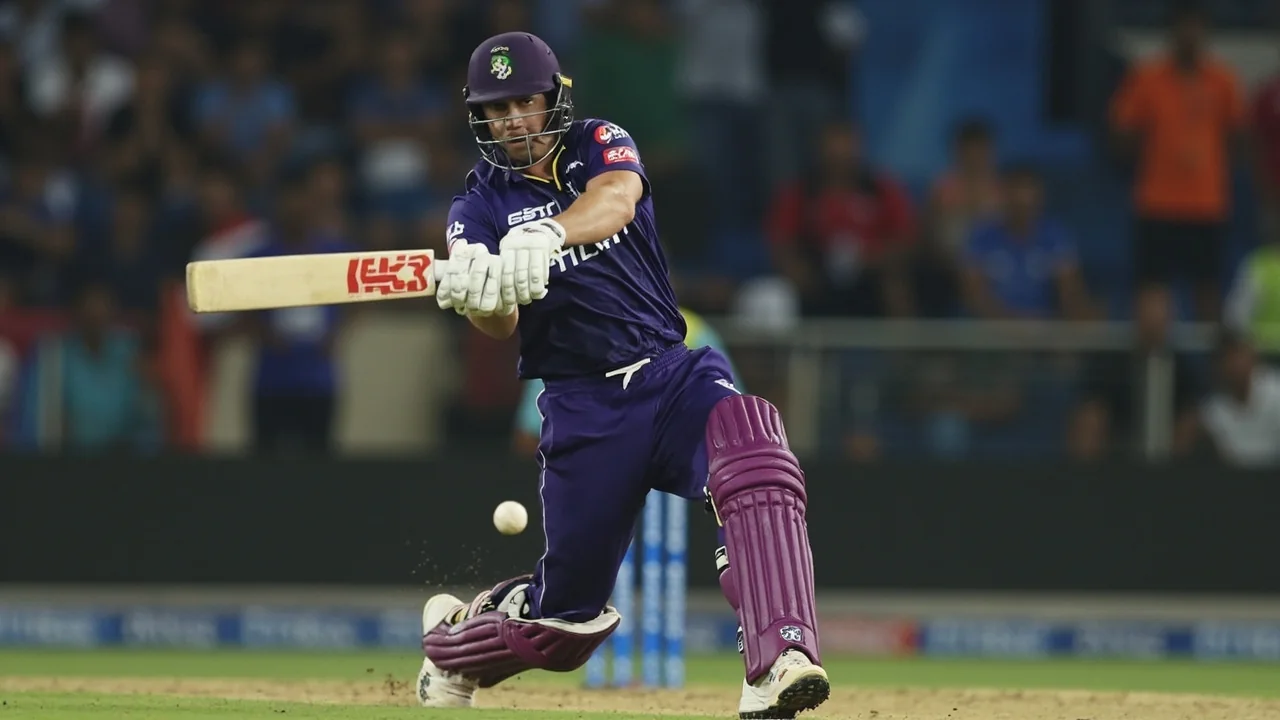
What the Return-to-Play parameters actually require
The Indian source was explicit that Return-to-Play parameters should not be compromised just because the calendar is tight. Those parameters include passing a minimum overs threshold at full intensity in the nets, completing repeat-sprint blocks for fielding, and ticking off a bowling-load benchmark that simulates back-to-back Test days. None of that is glamorous and most of it never reaches the broadcast, but it is the difference between a player who is fit enough to be named in a squad and a player who is fit enough to play five days of Test cricket without breaking down.
The compromise being described in the report is not that the players skipped those parameters entirely. It is that the parameters were compressed, and that some were completed on the fly rather than in a proper pre-series block. For a pace bowler that is the most dangerous combination: full intensity on day one of a Test, compromised loading in the build-up, and a fifth day of red-ball cricket still to come.
Bumrah, Sundar and the T20 World Cup recall effect
The two names the management could not afford to lose
The report identifies Jasprit Bumrah and Washington Sundar as the two biggest examples of the calendar squeeze. Both were recalled earlier in the year so they would be available for the T20 World Cup, which forced their IPL franchises and the national team into a shared-availability conversation rather than a clean handover. Bumrah was named in the Sri Lanka squad with an asterisk marking his fitness status, then ruled out on Monday. Sundar's case followed a similar timeline, with the management publicly confirming his unavailability before the squad flew out.
The asterisk is the part that sticks. Naming a player in a squad with a fitness tag is a public signal that the management wanted the player's name on the sheet but could not yet guarantee his body. It is also the kind of decision that forces the player's training calendar to be optimised for the next milestone — the T20 World Cup selection — rather than for the longer red-ball block that follows.
When recall decisions collide with red-ball preparation
The Indian Express source was clear that the basic match-fitness clearance can be passed while the deeper improvement work is still outstanding. Bumrah's case fits that pattern: enough green light to be named in the squad, not enough runway to be a five-day Test bowler in Sri Lanka. Sundar's case is similar on the all-rounder side, where red-ball bowling volume is the missing block after a long T20 workload.
The structural complaint is that the T20 World Cup recall changed the training plan for both players in ways the franchise season did not anticipate. By the time the IPL final finished, the runway back to red-ball cricket was already narrow. The recovery block became a race rather than a programme, and the race, in this case, ended before the players were race-fit.
What it means for the World Test Championship maths
The India-Sri Lanka series carries weight beyond bilateral bragging rights. India's path to the World Test Championship final is still alive but narrow, and a series win is the minimum requirement to keep the percentage points in range. A squad that arrives in Sri Lanka without Bumrah, without Sundar, and with several other contracted cricketers on managed workloads is a squad that is not playing to its ceiling.
That is the wider context the management is acknowledging in public for the first time this cycle. The complaint is not about the IPL as a tournament; it is about the lack of a recovery block between formats that the trainers had asked for. If the WTC percentage points slip in this window, the calendar — not the team selection — will be the first thing the post-mortem points to.
Training that should be format-specific — and the question of whether it actually is
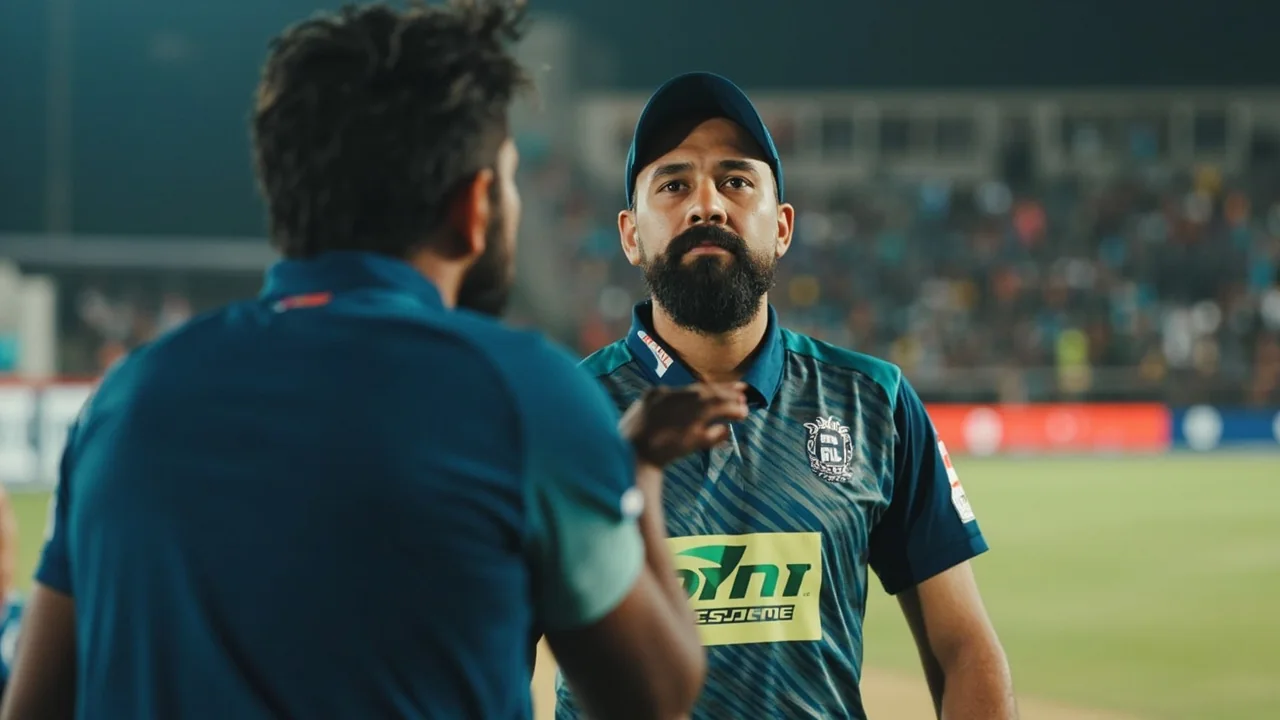
Ramji Srinivasan on the missing T20-to-Test bridge
Former India strength and conditioning coach Ramji Srinivasan, quoted in The Indian Express report republished by News18, made the format-specific point directly. Training has to be specific to the format the player is about to play. The T20-to-Test transition is not a paperwork step; it requires longer bowling spells, longer batting sessions against the moving ball, and longer recovery blocks between days of training. Srinivasan questioned whether that transition is actually taking place, and pointed out that players know the international calendar well in advance, which makes the planning failure a structural one rather than an emergency.
His point is uncomfortable for the support staff as much as for the players. The calendar is published, the format of each series is known, and the squad list is broadly predictable. If the red-ball preparation is being cut short, the decision is being made inside the planning cycle rather than forced by surprise. Srinivasan's framing turns the complaint from a medical surprise into a planning choice that the support staff would prefer to make differently next time.
A cycle that leaves one format undercooked every year
The Indian cricket calendar has been a four-format machine for years. The IPL runs deep into May, the T20 World Cup usually sits in June, the Asia Cup or bilateral ODI windows cover July and August, and red-ball cricket clusters around the WTC windows between September and March. The recurring question is whether any of those formats ever gets a clean, format-specific training block.
T20 has the most natural preparation because the IPL is itself a T20 tournament. ODI cricket has a reasonable bridge because the IPL keeps white-ball skills sharp. Test cricket, by contrast, sits at the worst end of every calendar squeeze: it needs longer bowling spells, longer batting sessions, and longer recovery blocks, and it is the format that loses the most when the recovery window is compressed. The complaint in the report is the formal version of that scheduling observation.
Where the franchise season stops and the Test season starts
The boundary between the IPL and international cricket is no longer a hard line. India played bilateral cricket during the IPL window this year, several IPL players were managed by their franchises, and the T20 World Cup recall forced cross-format decisions on Bumrah and Sundar long before the IPL final. By the time the franchise season finished, the international season was already running.
That overlap is the structural reason the recovery gap exists. The IPL final, the T20 World Cup selection, the Asia Cup and the Sri Lanka Tests are not sequential blocks; they are adjacent windows with partial overlap. The only honest fix is a planning change inside the management: build the red-ball preparation block before the IPL final rather than after it, and accept that the IPL calendar is not going to wait.
The injury ledger in numbers
What the report counts — and what it does not
The Indian Express report puts the current count of injured Indian cricketers at seven or eight. That number is the total across roles: pace bowlers, all-rounders, top-order batters, and one or two wicketkeeper-batter combinations. The report does not name every player individually, but it explicitly identifies Bumrah and Sundar as the two most visible examples and flags the broader ledger as the trainer-flagged workload group.
The number matters less than the composition. A squad with seven or eight injured cricketers cannot pick from a full-strength bench; the selectors are choosing from a managed-availability list rather than a clean form list. That changes the calculus for everyone from the captain to the impact-player choice in fantasy slates, and it changes the way the bench looks during the Test match itself.
Why two weeks of recovery is the minimum, not the ideal
For a Test-format fast bowler, the practical recovery block before a five-day series is roughly two to three weeks of progressive loading: short spells first, longer spells later, with at least one simulated back-to-back day block before the team departs. The IPL-to-Test window this year does not give that block to any of the headline fast bowlers. The T20 World Cup and the franchise play-offs together consumed the days that the red-ball block would normally take.
That is the operational reason the trainers are flagging the gap. The recovery window has not disappeared; it has been compressed into something closer to five to seven working days, which is enough to clear the basic match-fitness gate but not enough to clear the deeper Return-to-Play parameters that the Indian source insists should not be compromised.
What this means for the Sri Lanka Tests and beyond
A squad that will pick from a managed-availability list
The immediate effect is on the Sri Lanka series itself. India are unlikely to field a fully fit first-choice XI; the playing eleven will reflect the recovery state of the available squad rather than a clean form call. Bumrah is out. Sundar is out. Other names on the ledger will be managed across the two Tests, which means the workload distribution inside the match will be tighter than the selectors would prefer.
That has a direct read for fantasy players and match watchers. A pace attack without Bumrah is a different pace attack, and a side playing one of its frontline all-rounders at maybe-60-percent changes the balance between bat and ball. The series remains winnable, but the ceiling on India's performance drops until the injured list clears.
The bench that will carry more weight than usual
With seven or eight names on the injury list, the bench becomes the story. The selectors will need to identify which players can step into Bumrah's new-ball role, which all-rounders can take Sundar's fourth-bowler-and-batting spot, and which batters can absorb the extra workload in the top order if any of the contracted players need further rest during the series. Those bench choices will define the series more than the headline XI.
For fantasy operators, the bench is where the value lies in this window. The first-choice pace attack is what fantasy captains default to, but the second-choice seamers and the spin all-rounders coming in for Sundar are the names with differential upside. The injury list is not just a problem for the selectors; it is also a redistribution of points across the squad.
The cycle that needs to be redesigned, not repaired
The Indian Express report and the Srinivasan quote both point to a planning problem rather than a one-off medical problem. If the trainers are flagging the recovery gap, and the management is publicly acknowledging it, then the fix is not a longer rehab block for one player; it is a calendar redesign that builds the red-ball preparation before the IPL final rather than after it.
That redesign is unlikely to land before this Sri Lanka series. The Sri Lanka Tests will be played with the current calendar and the current injury list. The conversation the report opens, however, will shape the planning conversation ahead of the next WTC cycle, and that is where the structural fix has to land if India are going to avoid the same managed-availability list twelve months from now.
What to watch in the Sri Lanka series and the WTC run-in
The confirmed XI at the toss
The single most useful pre-match input is the playing XI read out at the toss. The selectors have hinted at a managed-availability approach, but the actual combinations will only be confirmed when the two captains walk out. Watch for whether the second-choice seamers are listed ahead of the frontline names, whether Sundar's all-rounder slot is filled by a batting or a bowling replacement, and whether the bench includes any of the workload-managed players as a cover option.
For Indian fantasy operators, the toss is also the last clean signal before the lock-in window. A confirmed XI without Bumrah, or without the rest of the headline fast bowlers, is the cue to redirect captain tags and differential picks to the second-choice names. The series is short enough that the first-XI read matters more than usual.
WTC percentage points after the second Test
The WTC percentage calculation is sensitive to every completed result. A series win keeps the percentage in range for the World Test Championship final; a series draw or loss shifts the maths to the away tours that follow. The series result, not just the individual performances, will be the cleanest read on whether the recovery gap has cost India a WTC cycle.
That makes the second Test of the series more important than the first in WTC terms, even though both Tests count equally in the standings. The pattern after the first Test will tell selectors and fantasy operators whether the managed-availability list is holding up; the second Test result will tell the WTC table the same thing in hard numbers.
The comeback schedule beyond Sri Lanka
For Bumrah and Sundar, the Sri Lanka series is not the comeback date. Both are expected to be managed through the home season and reassessed ahead of the next red-ball window. Watch for the BCCI medical updates and the franchise all-rounders' availability notes for clues on when the headline names return to red-ball cricket at full load. That timeline will shape the IPL 2027 auction pricing for the franchise teams as much as it shapes the Test squad.
The comeback schedule also tells fantasy operators when to fade the headline names and when to bring them back into the captain pool. A bowler who returns from a workload-managed break typically needs two or three matches to find rhythm; that is a window where the second-choice seamer can hold the captain tag and the headline name returns to the points later in the cycle.
Quick answers on the India recovery story
What did the Indian team management acknowledge on 4 August 2026?
That the rapid switch from the IPL to red-ball cricket has left several contracted cricketers short on the recovery window their trainers had asked for, with seven or eight currently injured ahead of the two-Test series against Sri Lanka.
Which headline Indian players are ruled out of the Sri Lanka series?
Jasprit Bumrah and Washington Sundar were both ruled out of the Sri Lanka squad. Bumrah was named with a fitness asterisk before being ruled out on Monday.
Why were Bumrah and Sundar recalled before the T20 World Cup?
The management was forced to recall both players to keep them available for the T20 World Cup earlier in the year, which compressed their training calendar ahead of the red-ball block that followed.
What is the difference between match fitness and Return-to-Play parameters?
Match fitness clears a player to be named in a squad. Return-to-Play parameters cover the deeper red-ball workload: longer bowling spells, longer batting sessions, and back-to-back day blocks. The Indian source said the deeper parameters should not be compromised even when the calendar is tight.
What did former S&C coach Ramji Srinivasan say?
He said training must be format-specific, questioned whether the T20-to-Test transition is actually taking place, and noted that players know the international calendar well in advance — which makes the planning gap a structural one rather than an emergency.
Why does the Sri Lanka series matter for the World Test Championship?
India need to keep their WTC percentage in range to stay in contention for the World Test Championship final, and a series win in Sri Lanka is the minimum requirement to keep that path alive.
Where can I follow the rest of the India cricket recovery story?
The sports ipl IPL news desk tracks transfers, milestones and injury updates across the IPL and international windows, and updates the same page daily through the season.
The next checkpoint
The immediate checkpoint is the playing XI read out at the toss in the first Sri Lanka Test. The selectors have hinted at a managed-availability approach; the actual XI will tell us whether the recovery gap the management acknowledged in public has actually changed the team sheet, or whether India have decided to absorb the risk and play the names on the ledger at partial load. Either outcome will shape the next WTC window, the IPL 2027 auction pricing, and the wider planning conversation about how the IPL, the T20 World Cup and the Test windows share the calendar.